+86 18665804491
 info@touchflyboard.com
How to Choose an Industrial Motherboard: A Comprehensive Guide for Engineers & Projects
In the rapidly evolving landscape of IoT, Industry 4.0 and smart manufacturing, the industrial motherboard serves as the critical “brain” of any automated system. Unlike commercial motherboards designed for short-term performance, industrial motherboards are engineered for long-term reliability, extreme environmental adaptability, and continuous operation. For engineers and system integrators, selecting the right industrial motherboard is a pivotal decision that directly impacts project success, development efficiency, and total cost of ownership (TCO). This guide outlines the essential criteria for making an informed choice.
Top-priority Application Scenario and Environmental Requirements
The first step in selecting an industrial motherboard is to clearly define the operating environment and core application needs. Industrial settings vary drastically, and the hardware must match the physical conditions.

Temperature Tolerance
Standard commercial boards operate between 0°C and 60°C. Industrial motherboards, however, utilize industrial-grade components and specialized PCB designs to support wide-temperature operations, typically ranging from -20°C to 70°C.

Durability and Protection
For environments with high vibration (e.g., rail transit, construction vehicles) or heavy dust and moisture, look for boards with reinforced structural designs, anti-vibration mounting, and conformal coating (tri-proof paint) for dust, moisture, and corrosion resistance.

EMI/EMC compatibility
In facilities with heavy machinery or high-voltage equipment, high EMC/EMI protection is mandatory to prevent signal interference and system crashes.
Select the Right Processor Architecture
Avoid the common pitfall of “over-specifying” performance. Higher performance often equates to higher power consumption and heat generation, which can be detrimental in enclosed, fanless industrial enclosures. Choose the architecture based on your software stack and computational needs:
x86 Architecture (Intel)
Intel CPU J6412/J4125/N97/N100/I3/I5/I7, Offers mature ecosystems, high performance, and seamless compatibility with Windows and standard Linux. Ideal for complex machine vision, SCADA systems, and heavy data processing.

ARM Architecture (e.g., Rockchip)
RK3399/RK3568/RK3576/RK3588 ARM-based CPU Known for low power consumption, high integration, and cost-effectiveness. Perfect for IoT gateways, lightweight HMI, and edge computing nodes.

AI Acceleration
If your application involves local machine learning inference or visual inspection, ensure the motherboard includes an integrated NPU (Neural Processing Unit) with adequate TOPS (Tera Operations Per Second) to handle AI workloads efficiently.
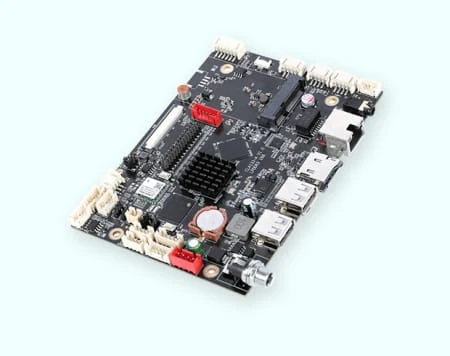
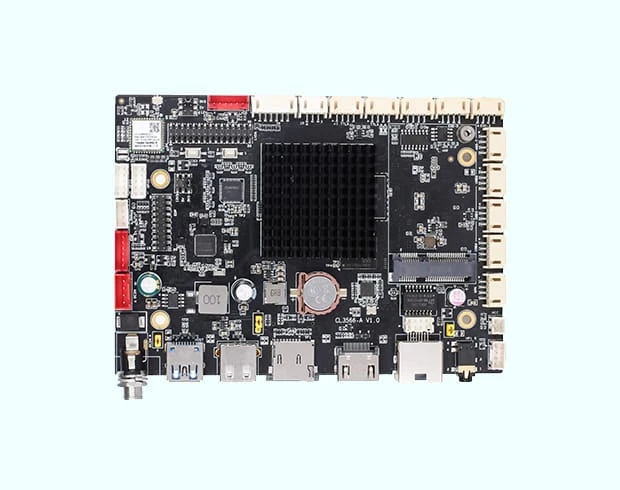
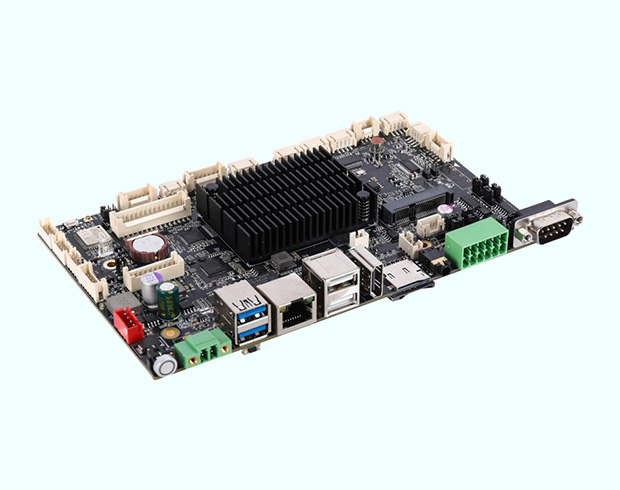
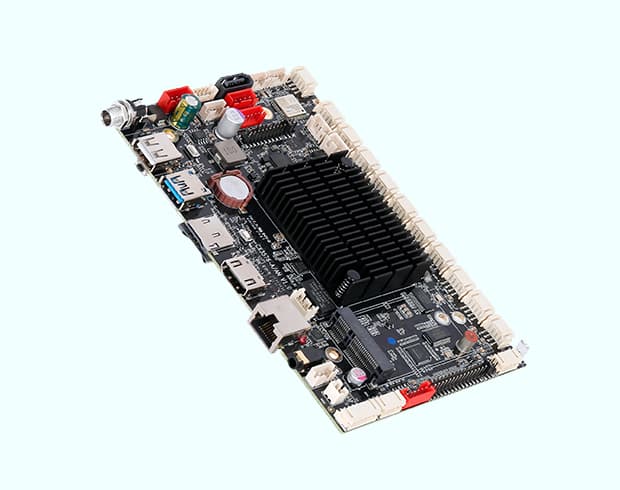
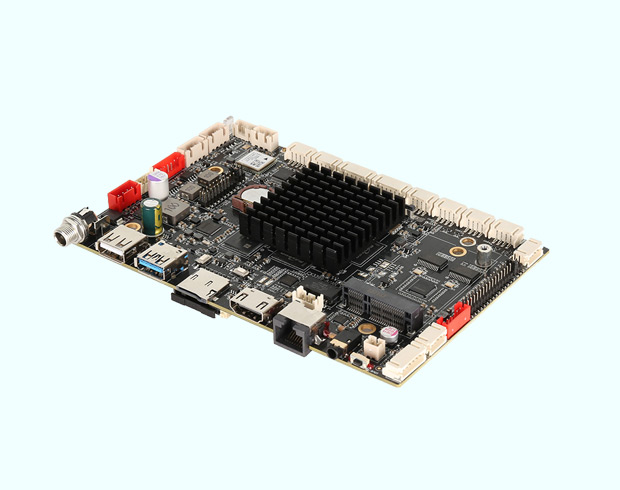
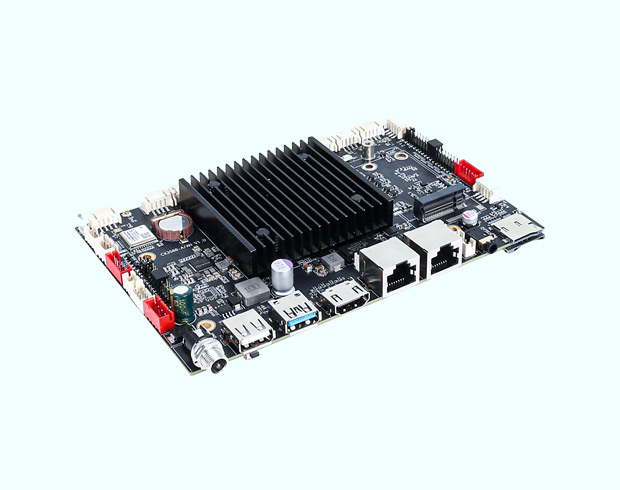
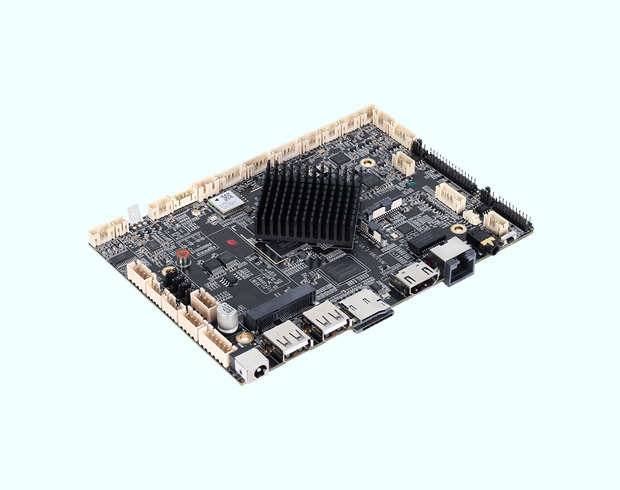
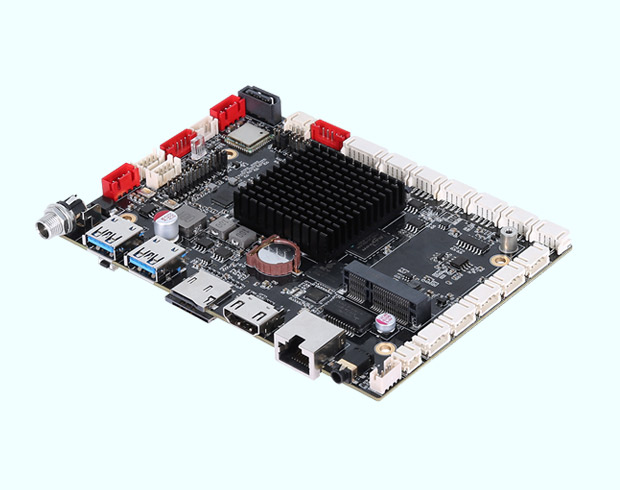
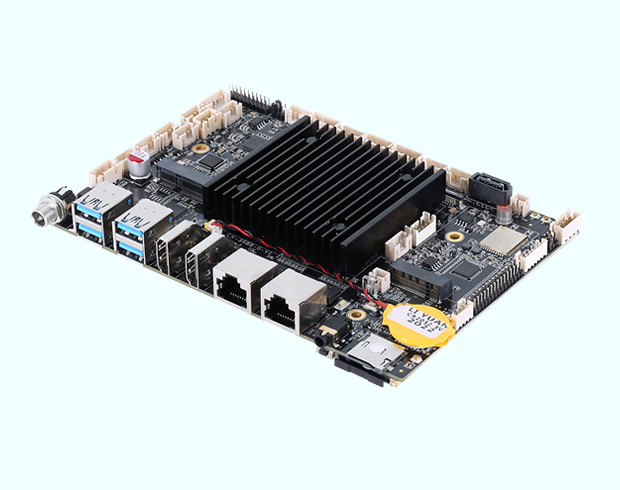
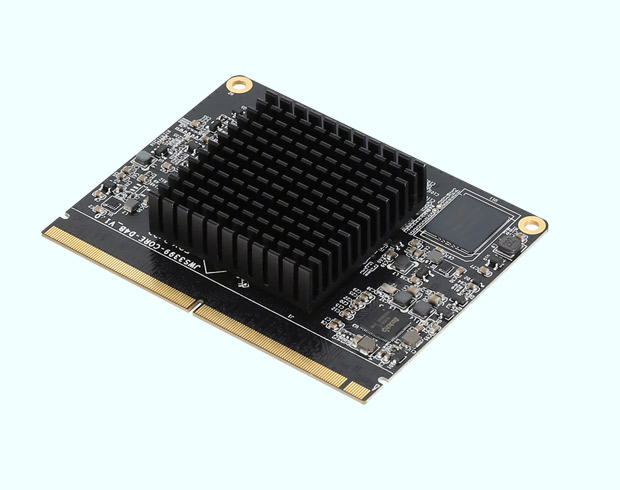
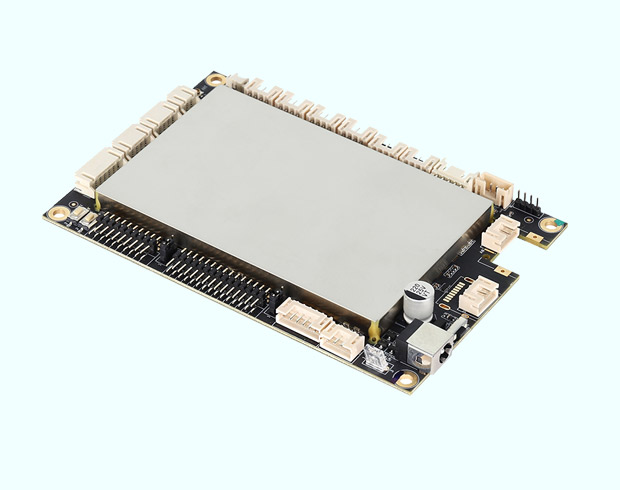
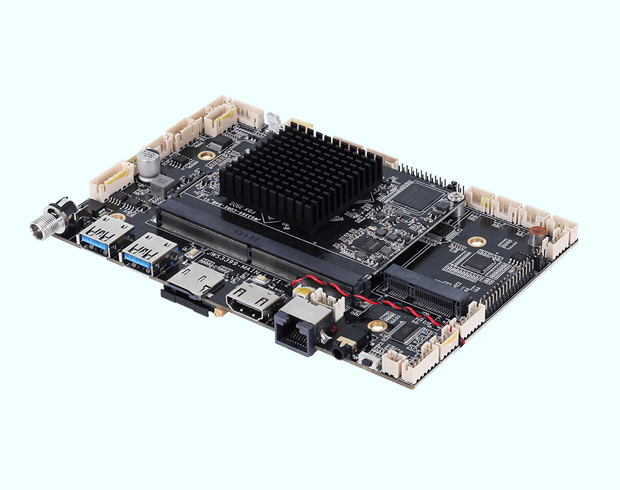
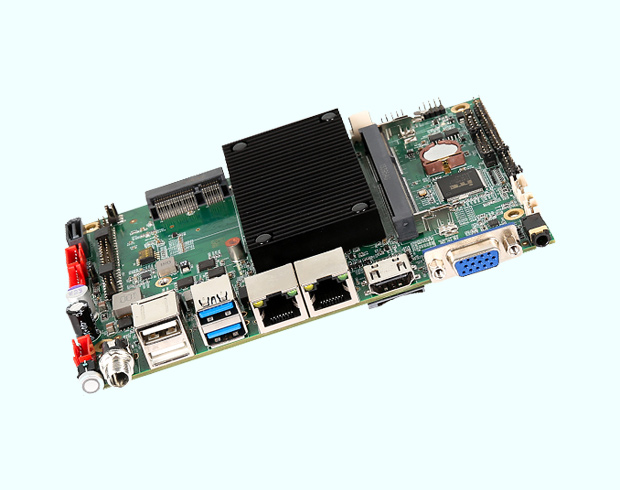
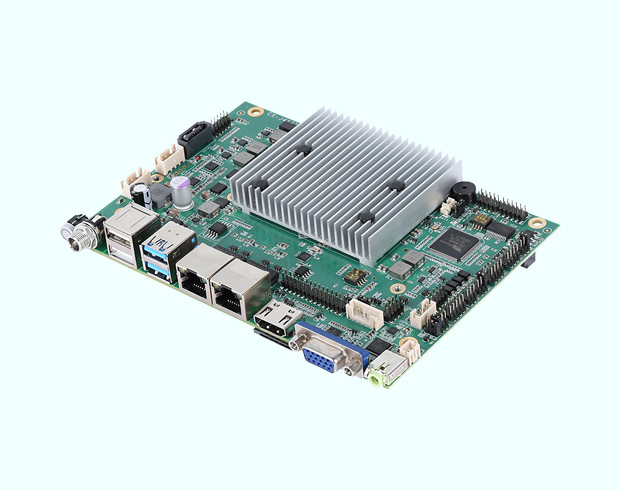
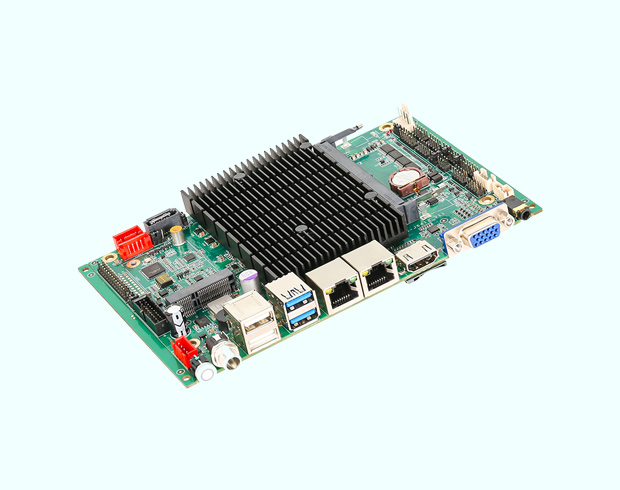
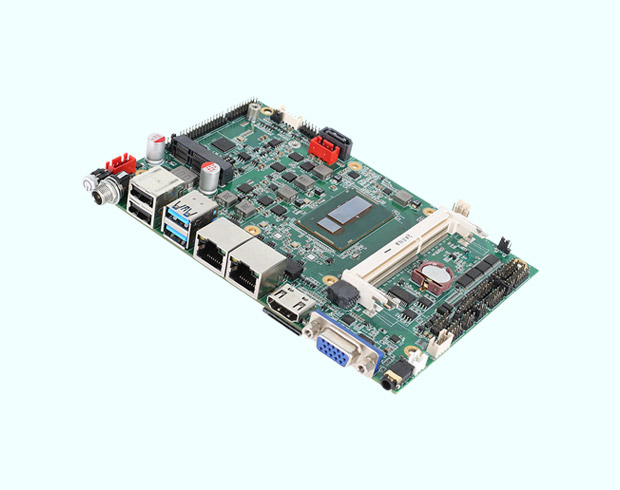
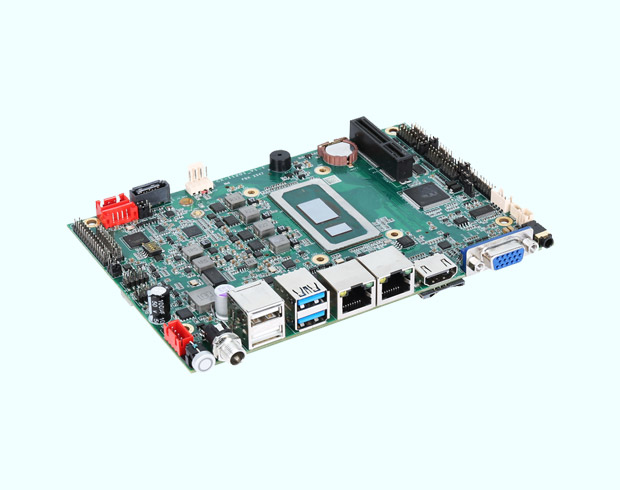
Evaluate I/O Interfaces and Expansion Capabilities
The motherboard acts as the bridge between the digital controller and the physical world. A thorough audit of required interfaces is crucial to avoid costly redesigns later.
- Industrial Communication: Verify the availability of native COM/RJ45/RS-232/RS-485/RS-422 ports (with opto-isolation to prevent high-voltage surges) and CAN bus interfaces for legacy and modern industrial protocols.
- Networking: Assess the need for multiple Gigabit Ethernet ports, PoE (Power over Ethernet) support, or specialized industrial Ethernet like 4G/5G/WiFi.
- Expansion Slots: Ensure there are sufficient PCIe, Mini-PCIe, or M.2 slots for future upgrades, such as adding motion control cards, 4G/5G modules, or additional storage.
Assess Software Ecosystem and BSP Support
Hardware is only half the equation; software compatibility dictates development speed and long-term maintenance.
- OS Compatibility: Confirm that the manufacturer provides stable Board Support Packages (BSP) and drivers for your target operating system, whether it’s Windows IoT, Android, Linux, Ubuntu, Debian, Centos.
- Technical Support: A reliable manufacturer should offer comprehensive documentation, reference designs, and responsive technical support to accelerate debugging and secondary development.
Conclusion
Choosing the right industrial motherboard requires a holistic approach that balances performance, environmental resilience, interface flexibility, and long-term supply security. By systematically evaluating these core dimensions, engineers can build robust, future-proof industrial systems that deliver uninterrupted performance in the most demanding environments.