+86 18665804491
 info@touchflyboard.com
Fanless Industrial Motherboard: Benefits, Selection Guide & Applications
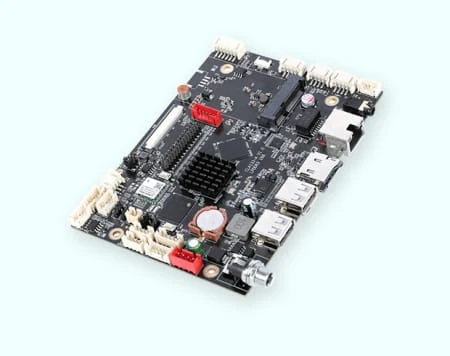
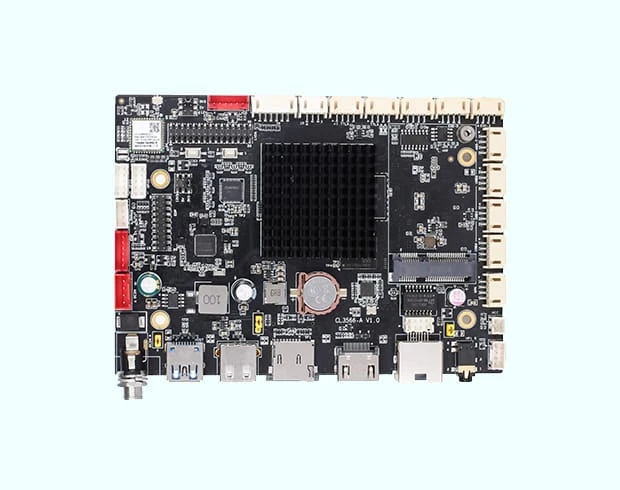
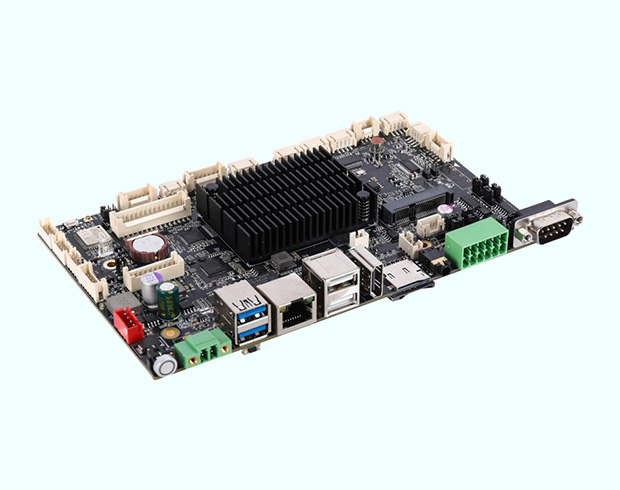
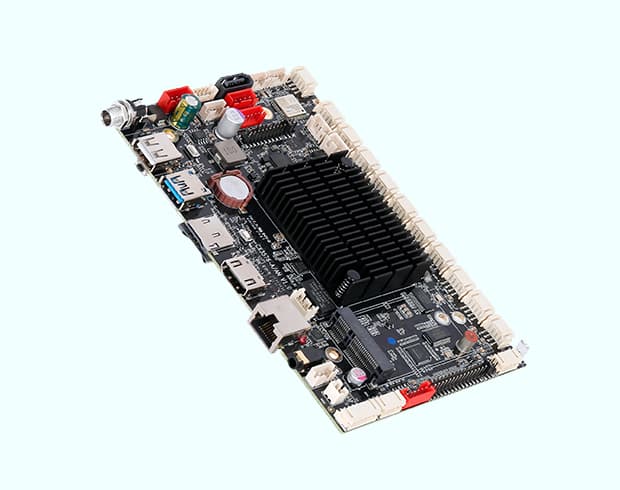
Fanless industrial motherboards eliminate the most common failure point in industrial computing—the cooling fan. For equipment operating in dusty environments, extreme temperatures, or 24/7 mission-critical applications, fanless designs deliver reliability that active cooling cannot match.
This guide explains when to choose fanless industrial motherboards, how to select the right model, and what applications benefit most from this technology.
What Is a Fanless Industrial Motherboard?
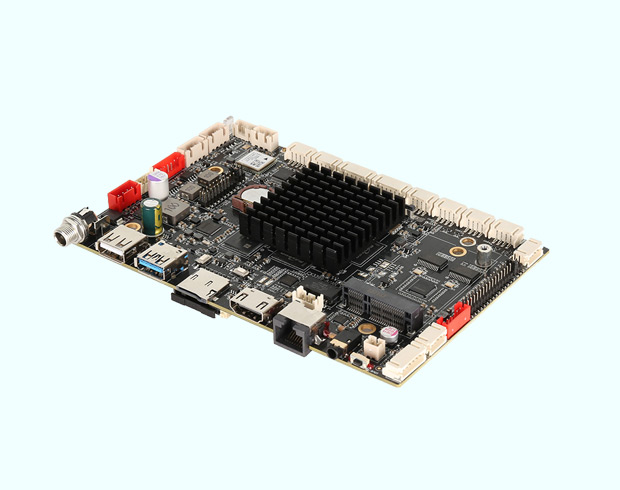
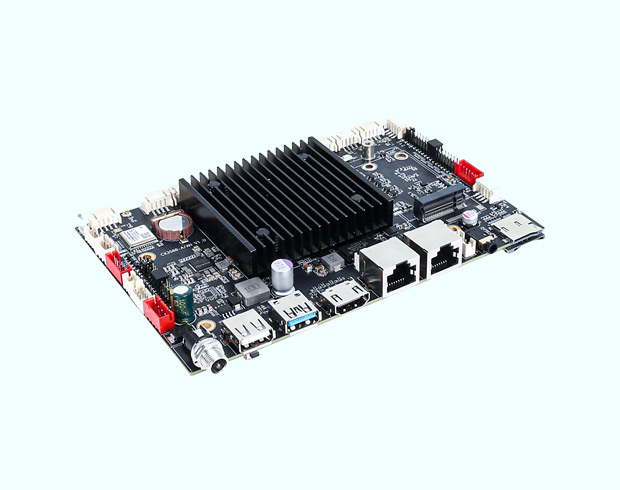
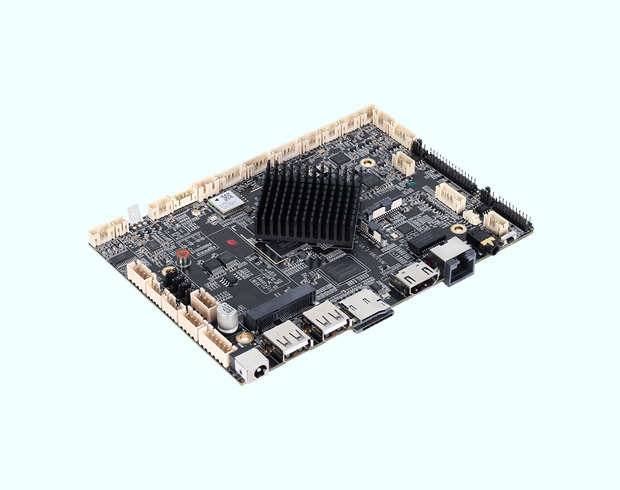
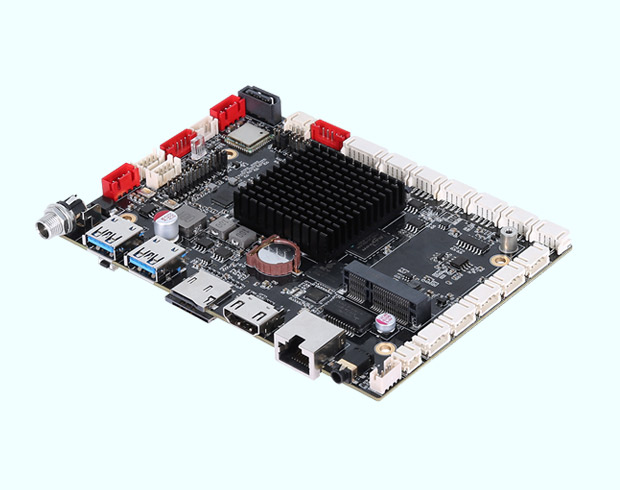
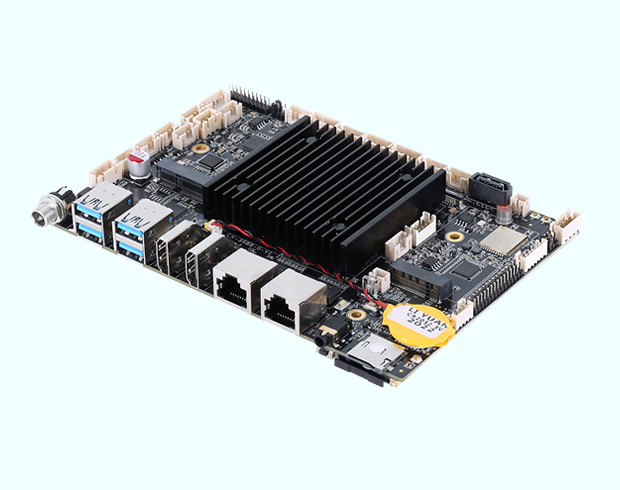
A fanless industrial motherboard uses passive cooling—heat sinks, thermal pipes, and metal chassis design—to dissipate heat without moving parts. Unlike desktop boards that rely on fans for forced airflow, fanless designs transfer heat directly from components to the enclosure or dedicated heat spreaders.
The elimination of fans removes a mechanical component with limited lifespan, typically 20,000-50,000 hours of operation in industrial conditions. Fans also draw in dust, fail without warning, and create vibration in precision equipment.
Key Benefits of Fanless Design
Zero Moving Parts
Fans are the primary failure point in industrial electronics. They suffer from:
- Bearing wear and eventual seizure
- Dust accumulation reducing airflow
- Vibration damage in mobile or machinery-mounted equipment
- Power consumption even when idle
Fanless motherboards remove this vulnerability entirely. With no moving parts, MTBF (Mean Time Between Failures) increases significantly.
Dust and Contaminant Immunity
Factory floors, outdoor installations, and industrial environments contain dust, metal particles, and chemical vapors. Fans pull these contaminants directly into the system, coating components and causing:
- Short circuits from conductive dust
- Thermal throttling from insulating dust layers
- Accelerated component degradation
Fanless systems can be sealed against the environment, protecting internal components without requiring filter maintenance.
Silent Operation
Some applications require minimal noise:
- Medical equipment in patient areas
- Broadcasting and audio production
- Retail kiosks in quiet environments
- Security monitoring stations
Fanless motherboards produce no acoustic noise during operation.
Wide Temperature Range
Fanless industrial motherboards are typically rated for wider operating temperatures:
- Standard models: -20°C to 70°C
Without dependence on fans that may fail at temperature extremes, the system remains operational across the full specified range.
Lower Power Consumption
Fans consume 2-10W depending on size and speed. In systems with tight power budgets—solar-powered installations, battery backup systems, or mobile equipment—eliminating fan power extends operating time.
When to Choose Fanless Industrial Motherboards
Fanless designs are the right choice when:
- Dust or contaminants are present – Woodworking, metalworking, mining, grain processing
- Reliability is critical – Unattended remote installations, safety systems
- Noise must be minimized – Medical, broadcast, retail environments
- Maintenance access is limited – Enclosed equipment, outdoor cabinets
- Operating temperature varies widely – Outdoor kiosks, vehicle-mounted systems
- Vibration is present – CNC machines, transportation equipment
Standard active cooling may be acceptable in clean, climate-controlled environments with regular maintenance access.
CNC and Machine Tools
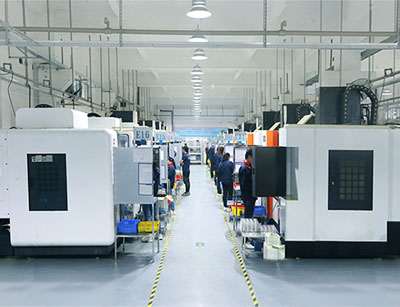
Fanless motherboards withstand the vibration, metal dust, and temperature fluctuations common in machining environments. Sealed enclosures protect electronics from coolant splash and chips.
Industrial Automation
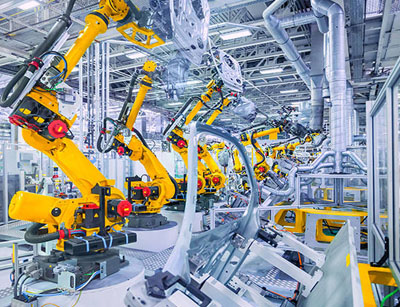
PLC supervisory systems, HMI panels, and edge computing gateways benefit from fanless reliability in factory environments. Unattended operation reduces maintenance costs.
Outdoor Equipment
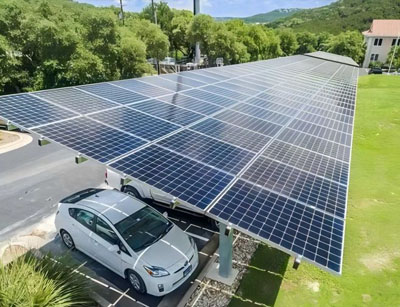
Weather stations, traffic monitoring, and solar-powered installations require sealed systems immune to rain, dust, and temperature cycling.

Self-Service Kiosks
Retail and informational kiosks in public spaces operate continuously with minimal maintenance access. Fanless designs reduce service calls and extend uptime.
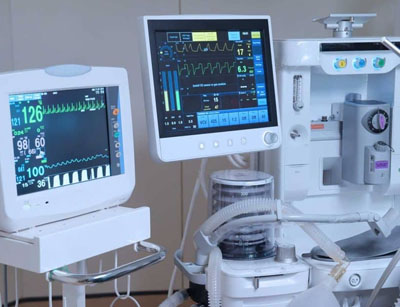
Medical Equipment
Diagnostic devices, patient monitoring, and imaging systems require silent monitor, reliable operation in clinical environments. Fanless designs meet both requirements.

Transportation
Vehicle-mounted systems for fleet management, logistics tracking, and mobile diagnostics face vibration, temperature extremes, and limited power. Fanless motherboards are well-suited to these conditions.
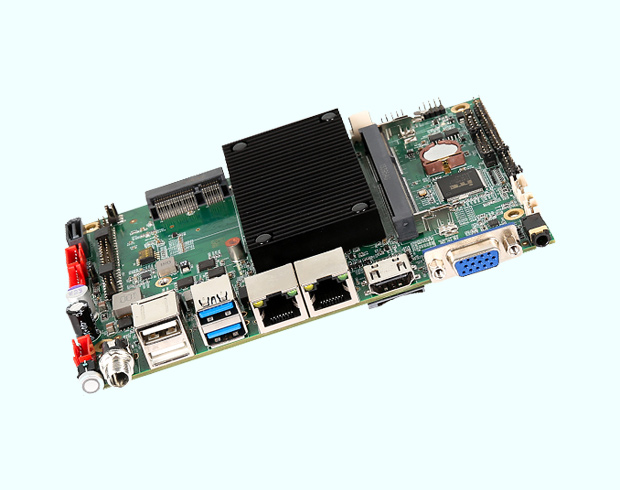
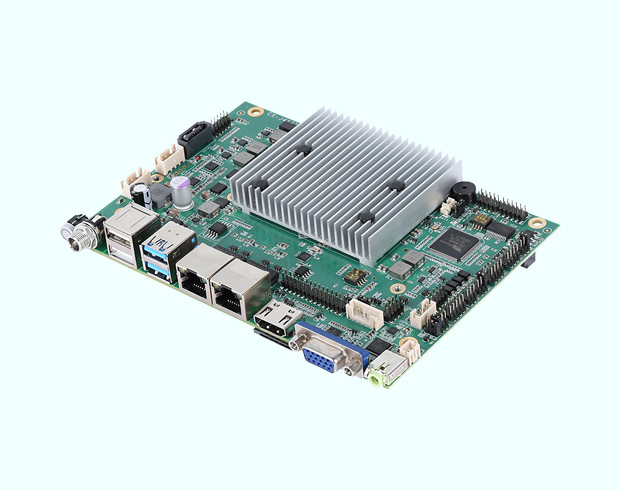
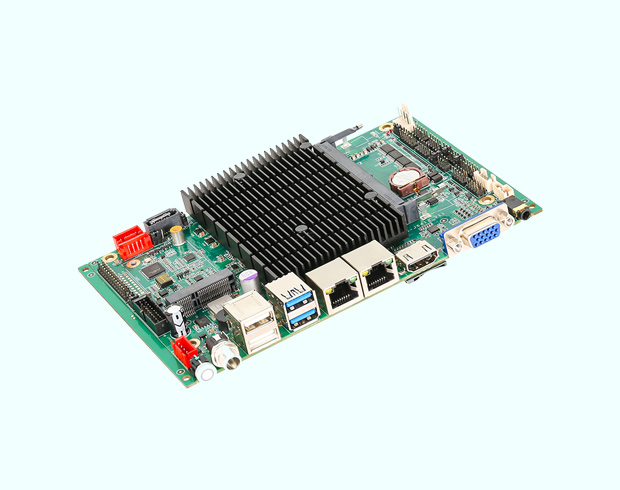
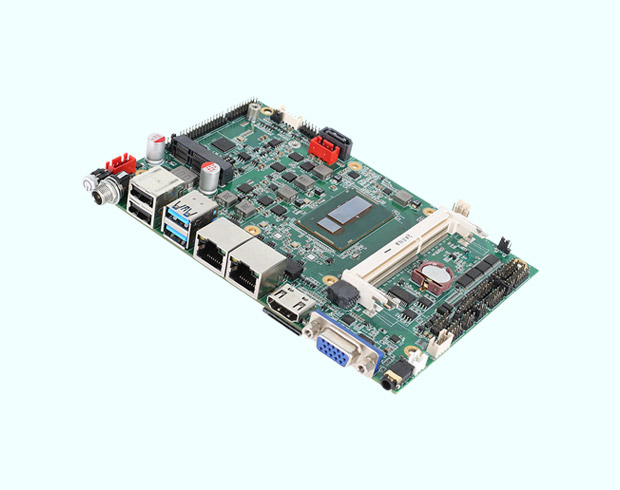
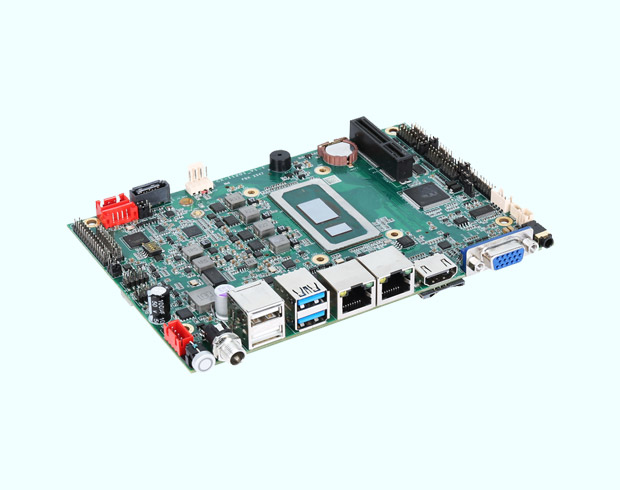
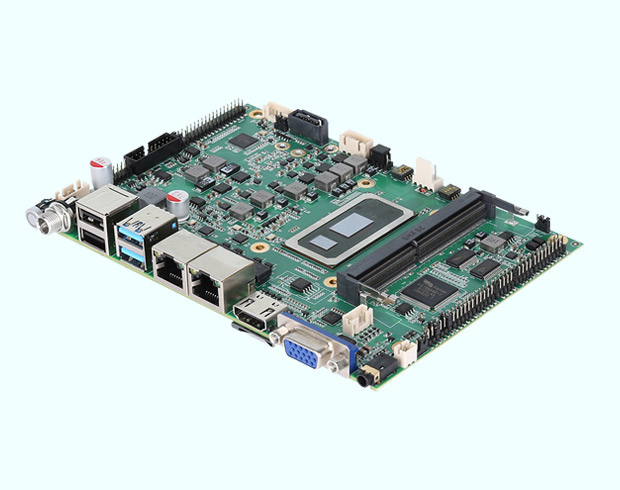
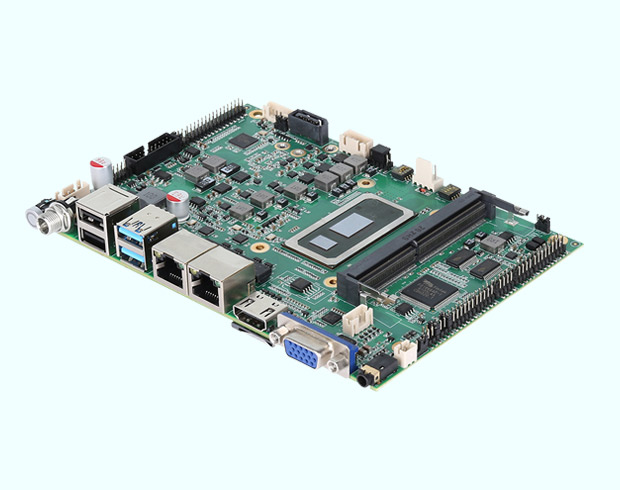
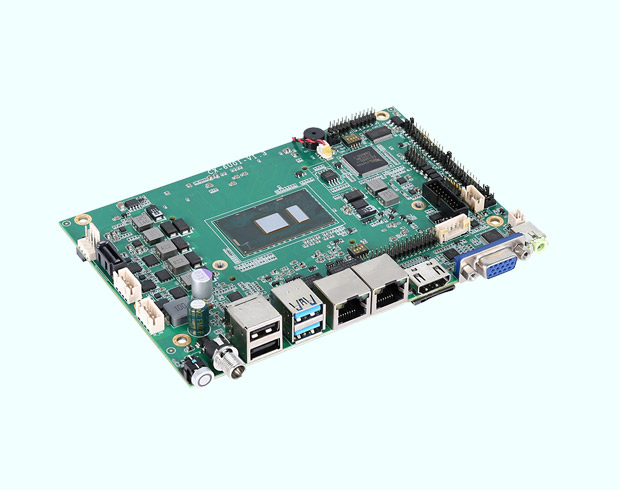
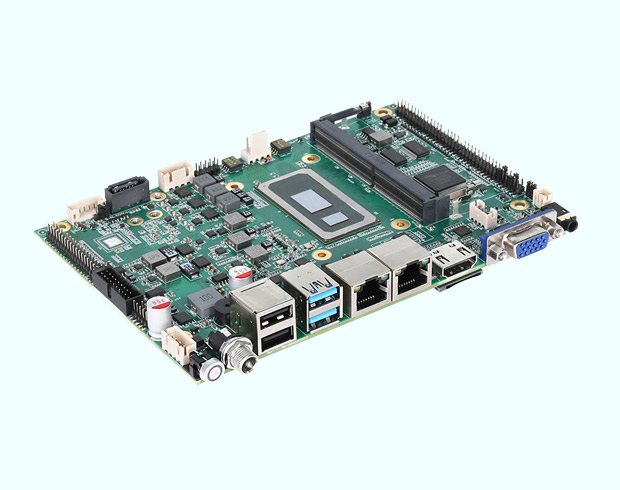
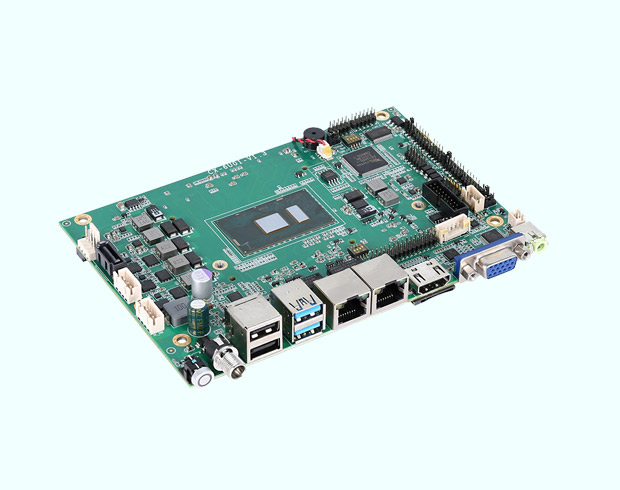
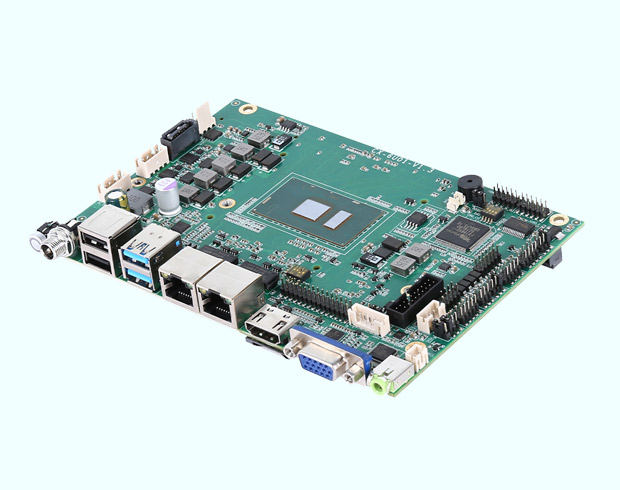
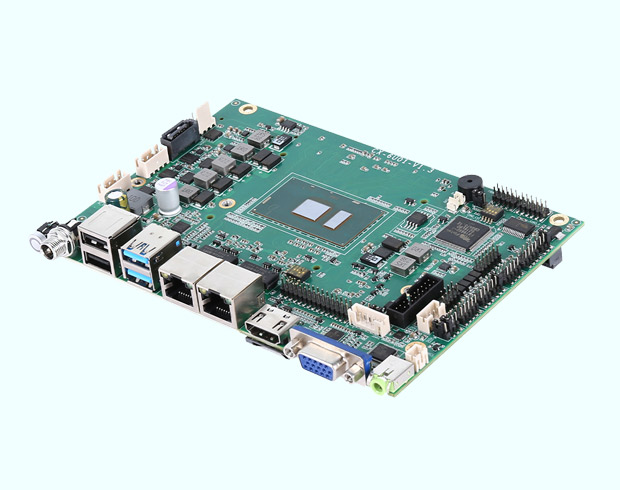
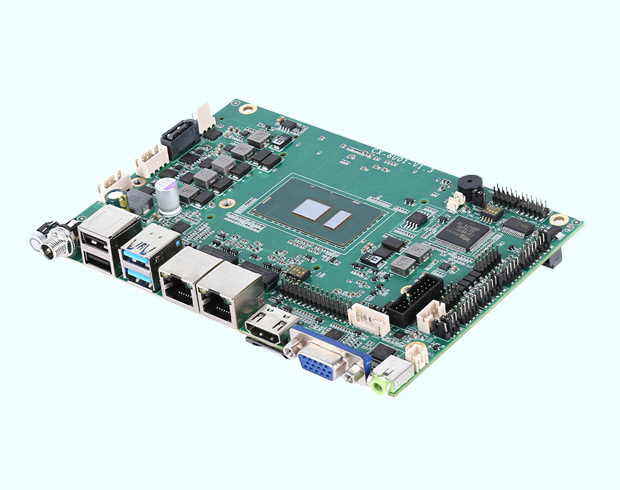
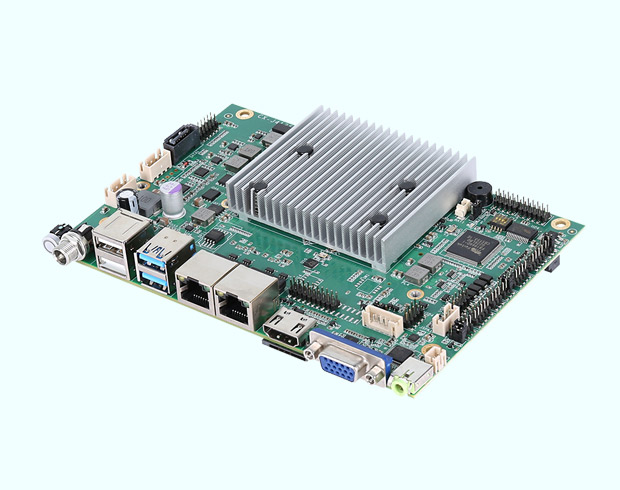
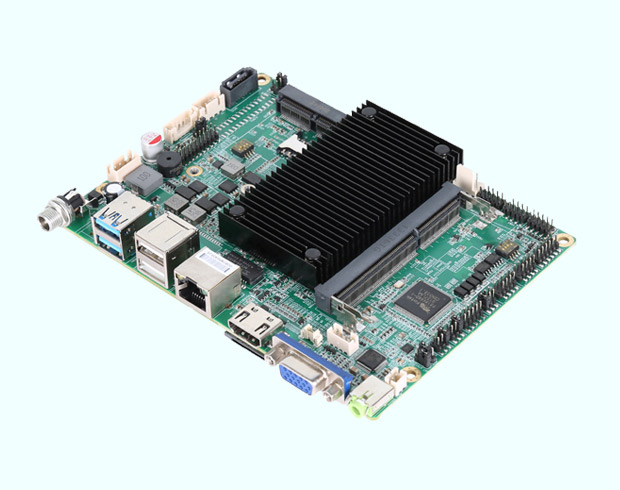
CX-I5 7th Gen
Intel® Core™ i5 series 7200U Dual core and four threads 2.5GHz CH7511 2*RJ45 160*110mm
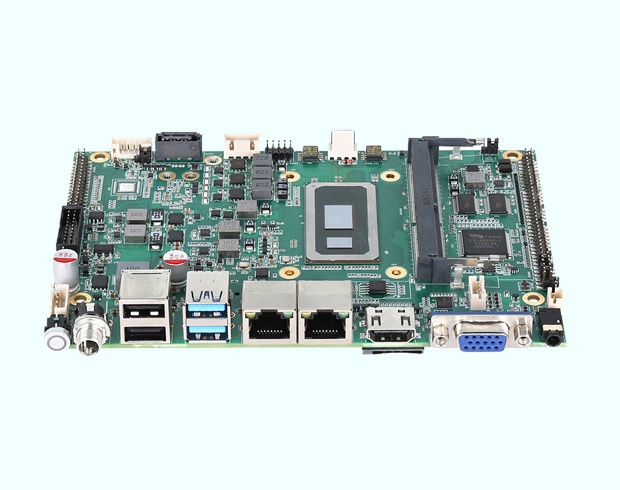
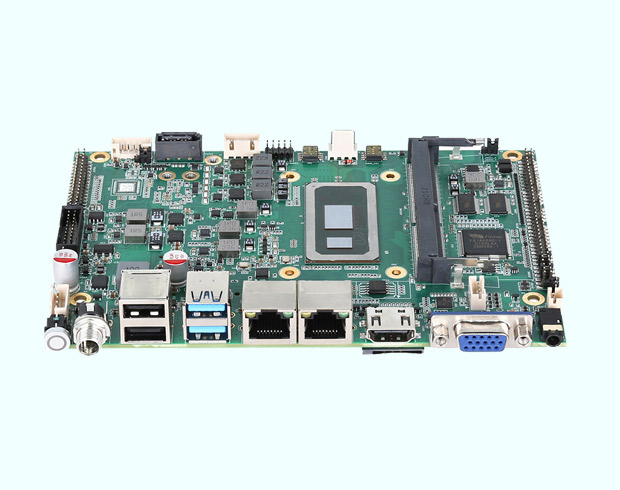
CX-I5 8th Gen
Intel® Core™ i5 series 8265U Dual core and four threads 1.6GHz CH7511 2*RJ45 160*110mm
FAQ
What CPU power levels can fanless motherboards support?
Typical fanless industrial motherboards support CPUs with X86-based Intel Celeron/N/I Series processor and ARM-based Rockchip RK3288/RK3399/RK3568/RK3588. Custom designs with extensive heat sinking or liquid cooling plates can handle higher power, but costs increase significantly. For most applications, low-power Intel or ARM processors provide adequate performance in fanless form factors.
Do fanless motherboards overheat in hot environments?
Not if properly specified and installed. Fanless motherboards designed for industrial use operate at 70°C ambient or higher. The key is matching the CPU TDP to the thermal solution capacity and ensuring adequate heat transfer to the enclosure.
Can I use a fanless motherboard in a standard ATX case?
Possible, but thermal performance may suffer. Standard ATX cases assume active airflow. For fanless operation, the motherboard must transfer heat to the case exterior or a dedicated heat sink. Consult the manufacturer for chassis recommendations.
How do I know if my application needs fanless?
Consider fanless if your equipment operates in dusty environments, requires high reliability with minimal maintenance, must run silently, or experiences temperature extremes or vibration. If you have climate control and maintenance access, active cooling may be acceptable.
Are fanless motherboards more expensive?
Yes, typically 15-35% more than comparable actively cooled boards due to specialized thermal design and lower production volumes. However, the total cost of ownership is often lower due to reduced maintenance and longer lifespan.