+86 18665804491
 info@touchflyboard.com
Industrial Motherboards vs. Commercial Motherboards: What’s the Difference and How Choosing Wrong Can Cost You Thousands
When it comes to building a reliable computing system, selecting the right motherboard is crucial. Many people assume that commercial motherboards are enough for all purposes, but industrial motherboards offer distinct advantages that can prevent costly mistakes. Choosing the wrong type could easily cost tens of thousands in repairs, downtime, or replacement equipment.
What Is a Commercial Motherboard?
Commercial motherboards are designed for consumer PCs, laptops, and general office use. They prioritize features like graphics performance, overclocking capability, and connectivity for standard peripherals. They are not designed for harsh environments or continuous heavy workloads.
Key features of commercial motherboards include:
- Standard CPU socket and chipset compatibility
- Consumer-grade durability
- Limited lifespan under 24/7 operation
- Focus on multimedia and gaming performance
What Is an Industrial Motherboard?
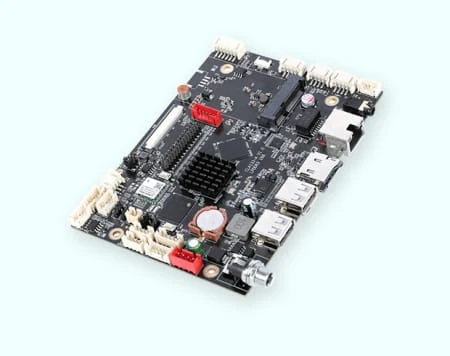
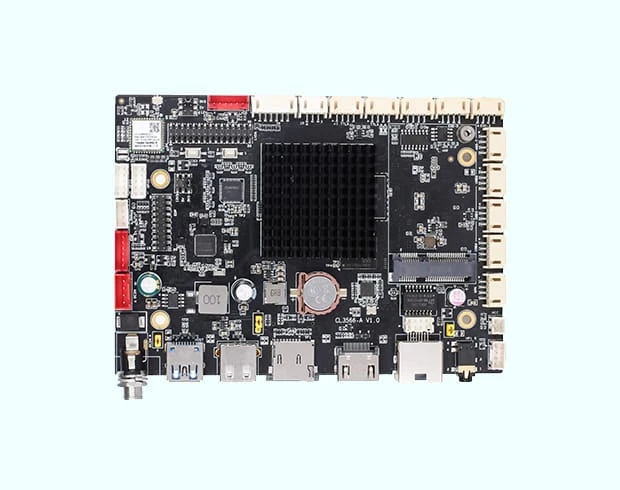
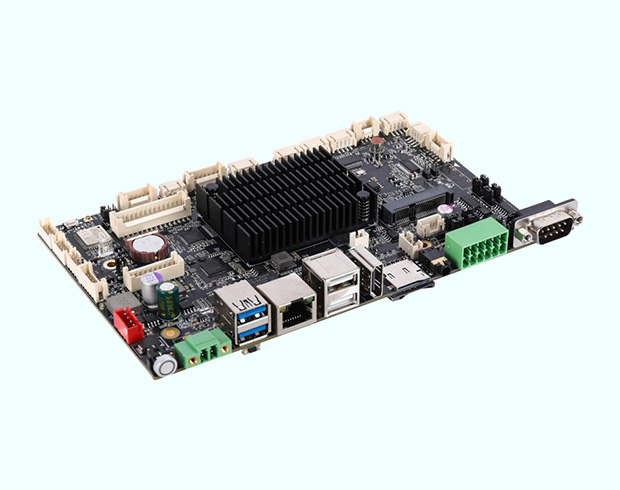
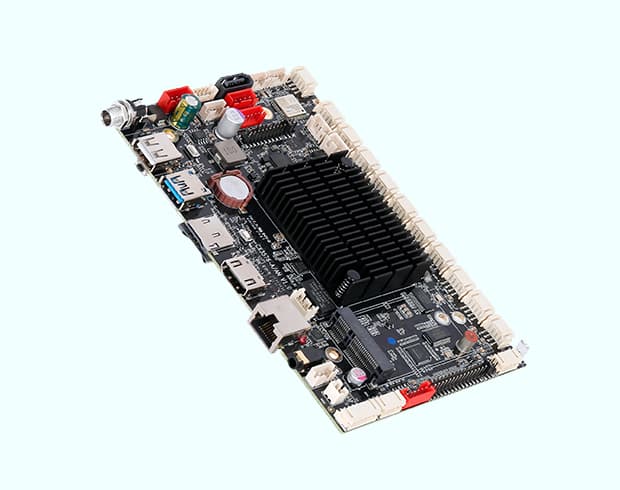
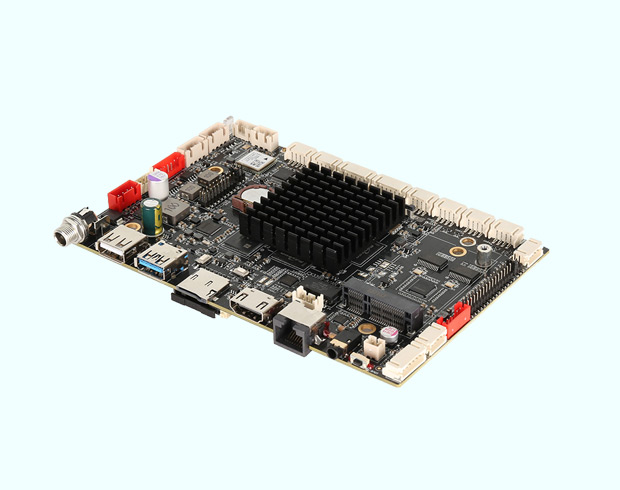
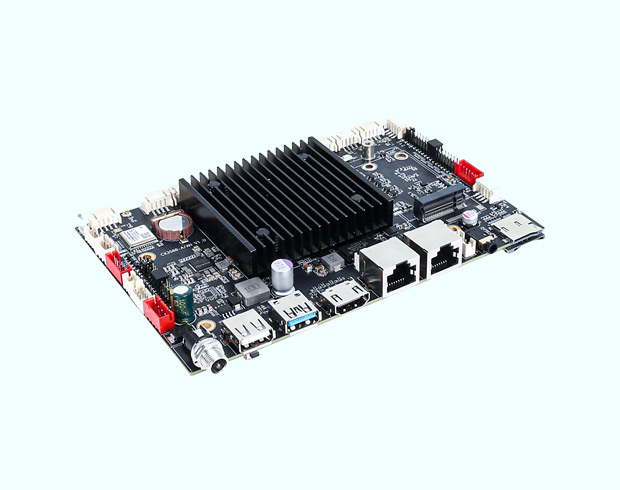
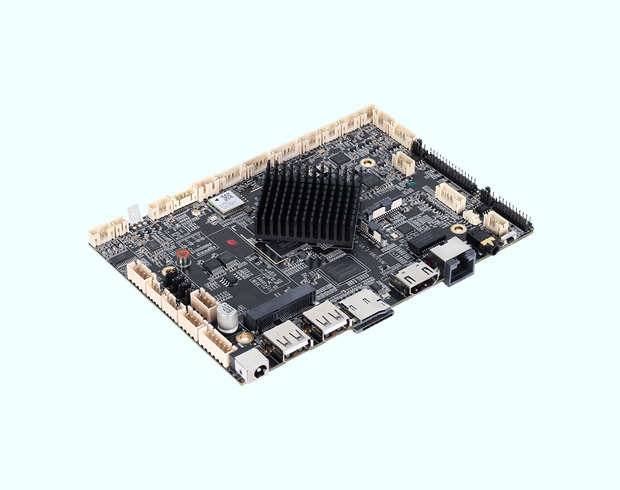
Industrial motherboards, on the other hand, are built for stability, longevity, and reliability in challenging environments. They are commonly used in factories, medical equipment, embedded systems, and other mission-critical applications.
Key features of industrial motherboards include:
- Extended operating temperature ranges (often -20°C to 70°C)
- Support for long-term availability (5–10 years or more)
- Enhanced durability with high-quality components
- Industrial-grade connectors and expansion options
- 24/7 continuous operation support
Main Differences Between Industrial and Commercial Motherboards
| Feature | Commercial Motherboard | Industrial Motherboard |
|---|---|---|
| Price | Lower, consumer-grade | Higher, premium components |
| Lifespan | 2–5 years | 5–10 years or more |
| Operating Environment | Standard office/home | Harsh, dusty, or high-temperature environments |
| Reliability | Moderate | High, designed for 24/7 use |
| Component Quality | Standard | Industrial-grade |
Why Choosing the Wrong Motherboard Can Be Expensive
Using a commercial motherboard in an industrial or critical environment can result in:
- Frequent system failures – Consumer boards are not built for continuous operation.
- Shortened equipment lifespan – Heat, dust, or vibration can quickly damage standard components.
- High maintenance costs – Frequent replacements or downtime can cost tens of thousands.
- Compatibility issues – Industrial equipment may require specialized interfaces and expansion options that commercial boards cannot provide.
How to Choose the Right Motherboard
- Assess your environment: High temperatures, humidity, or dust? Choose industrial-grade.
- Consider operational hours: 24/7 operation favors industrial motherboards.
- Evaluate connectivity needs: Make sure your board supports all required industrial interfaces.
- Factor in lifespan and support: Industrial motherboards are designed for long-term availability and reliability.